Find slimming casual maxi skirt for retail, boutique, and resale
Browse 30 slimming casual maxi skirt listings covering A-line, pencil, and pleated silhouettes in cotton, denim, polyester, silk, and leather. Compare sizes, colors, washes, MOQs, and packaging options to match your retail, boutique, or wholesale sourcing needs.
Key considerations
Products List
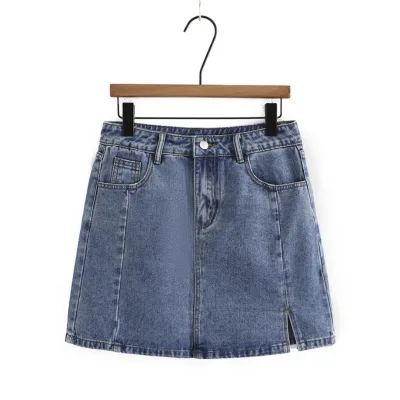


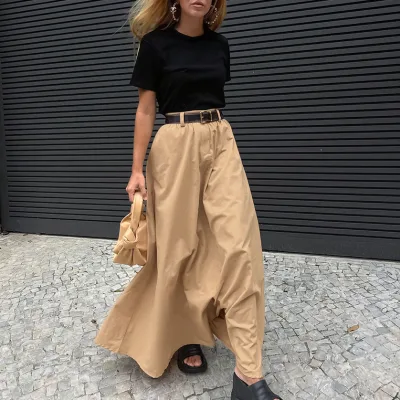
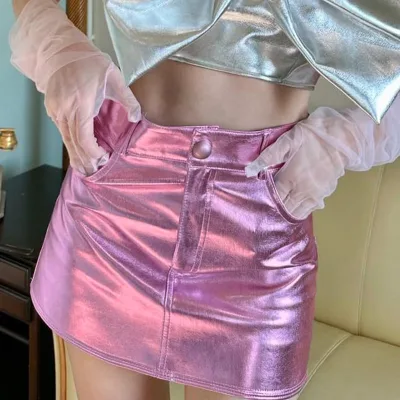


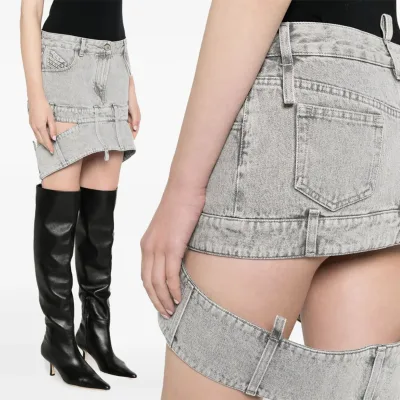


Comprehensive Sourcing Guide
Slimming Casual Maxi Skirt Sourcing Guide
Sourcing a slimming casual maxi skirt requires a nuanced understanding of how silhouette, fabric composition, and manufacturing techniques intersect to deliver both aesthetic appeal and functional comfort. The term "maxi" typically denotes a length that extends below the knee, often reaching the ankle, which aligns with observed market specifications for long-length garments. However, buyers must navigate a complex landscape where "slimming" is a subjective fit claim that relies heavily on the interplay between the skirt’s cut, the elasticity of the fabric, and the waistline design. In the current B2B apparel market, this category is not monolithic; it encompasses a wide range of styles from high-waisted pencil cuts to A-line silhouettes, each offering different degrees of body contouring and movement freedom.
The procurement process for these items is further complicated by the diversity of materials and production methods listed in supplier catalogs. While some listings emphasize natural fibers like 100% cotton or silk for breathability and luxury, others rely on synthetic blends such as polyester or polyester-cotton mixes for durability and cost-efficiency. Additionally, the manufacturing technique itself varies significantly, with some products described as "knitted" despite being made of denim, a classification that may indicate a specific stretch-weave or fabrication method rather than traditional woven denim. Buyers must therefore treat product attributes as observations of specific listings rather than universal standards for the entire category, ensuring that the technical specifications of the ordered goods match the intended use case and quality expectations.
Product Scope and Observed Listing Signals
The observed market data reveals a significant variance in product definitions, with listings ranging from "denim skirts" with specific model numbers to generic "maxi skirts" with varying lengths and materials. For instance, some suppliers offer items explicitly labeled with a "Below Knee" length or "Mini" length, which contradicts the traditional definition of a maxi skirt, while others specify "Long" lengths that align with the core keyword. This inconsistency highlights the importance of verifying the actual garment dimensions rather than relying solely on the title or category tag. The presence of attributes such as "A-Line" or "Pencil Skirt" silhouettes suggests that the "slimming" effect is achieved through structural design, with A-line cuts flaring out from the waist to create a balanced proportion, while pencil cuts rely on a tighter fit to accentuate the figure.
Furthermore, the color and customization options available in the market provide insight into the flexibility of the supply chain. Listings indicate a range of color options including "Blue," "Black," "Sky Blue," and "Mixed Color," with some suppliers offering "Single Color" variants for bulk orders. The availability of "Oem Service" and "Customization" suggests that buyers have the opportunity to tailor these garments to their specific brand requirements, including fabric selection, waist shape, and closure types. However, the presence of diverse material claims, such as "100% Cotton," "Polyester," "Silk," and "Leather," within the same search results indicates that buyers must carefully review the material composition to ensure it meets their sustainability, comfort, and durability standards. The "Washed" technique mentioned in some listings also points to a specific aesthetic finish that may affect the hand feel and shrinkage potential of the final product.
Technical Specifications to Verify
When evaluating technical specifications, the waist shape and fit type are critical determinants of the "slimming" claim. Listings show a variety of waist shapes, including "High Waist" and "Medium Waist," each offering different visual effects on the torso. High-waisted designs are often preferred for their ability to elongate the legs and define the waistline, contributing to a slimmer appearance, while medium-waisted options may offer greater comfort and versatility. The fit type, described as "SKINNY" in some listings, suggests a close-fitting garment that contours to the body, which must be balanced against the fabric's stretch and recovery properties to ensure it remains comfortable and does not restrict movement. Buyers should verify the specific measurements for each size, as the listed size ranges, such as "L, XL, 5 XL, 4 XL, 3 XL, 2 XL," indicate a broad sizing spectrum that may cater to plus-size markets or specific regional sizing standards.
The fabric type and weaving method also require close scrutiny, as they directly impact the garment's drape, durability, and care requirements. While "Denim" is listed as a fabric type, the accompanying "Knitted" weaving method is unusual for traditional denim, which is typically woven. This discrepancy may indicate a stretch-denim or a knit-fabric designed to mimic the look of denim, which would have different performance characteristics regarding elasticity and shape retention. Similarly, the material composition varies widely, with options including "100% Cotton," "Polyester," "Silk," and "Polyester/Cotton" blends. Each material offers distinct advantages and disadvantages; for example, cotton provides breathability but may wrinkle easily, while polyester offers durability and wrinkle resistance but may lack breathability. Buyers must verify the exact material blend and weight to ensure it aligns with the intended season and use case, particularly given the listed seasons of "Spring," "Summer," and "Autumn."
Compliance and Safety Documentation
Compliance and safety documentation are essential for ensuring that the sourced skirts meet the regulatory requirements of the target market. While specific certification statuses are not provided in the observed listings, buyers should expect suppliers to provide relevant documentation such as material safety data sheets, fiber content verification, and compliance with local textile regulations. For instance, if the skirts are marketed as "Eco-Friendly," as indicated in some listings, buyers should request evidence to support this claim, such as certifications for organic cotton, recycled polyester, or sustainable dyeing processes. The absence of specific certification details in the product data underscores the need for proactive verification, as "eco-friendly" is a marketing term that can encompass a wide range of practices, from water-saving production methods to the use of non-toxic dyes.
Additionally, buyers must ensure that the garments comply with safety standards related to flammability, chemical content, and physical safety. For example, if the skirts contain elements such as "Zipper" closures, as noted in some listings, these components must meet safety standards to prevent injury, particularly for garments intended for younger demographics. The "Single Breasted" closure type mentioned in some listings also requires verification to ensure that the fastening mechanism is secure and durable. Buyers should work with suppliers who have established quality control processes and can provide test reports for key safety parameters, such as the absence of harmful substances like azo dyes or heavy metals. It is also important to verify that the "Washed" treatment, if applied, does not introduce hazardous chemicals into the fabric, and that the final product meets all labeling requirements for fiber content and care instructions.
Cost Drivers and Commercial Terms
The cost of sourcing slimming casual maxi skirts is influenced by several key factors, including material composition, production complexity, and order volume. The observed price range of $2.35 to $20.56 USD reflects the significant variance in quality and specifications, with lower-priced items likely using synthetic materials and simpler construction, while higher-priced items may feature natural fibers, intricate designs, or premium finishes. The minimum order quantity (MOQ) ranges from 2 to 1000 units, offering flexibility for both small-scale buyers and large-volume purchasers. Buyers should consider the trade-off between MOQ and unit price, as larger orders often result in lower per-unit costs due to economies of scale in production and material sourcing.
Commercial terms such as lead time and payment conditions also play a crucial role in the overall cost structure. The observed "7 days sample order lead time" indicates a relatively quick turnaround for samples, which is beneficial for buyers who need to evaluate product quality before committing to large orders. However, bulk production lead times may vary significantly depending on the supplier's capacity and the complexity of the order. Buyers should negotiate clear terms regarding production schedules, shipping methods, and payment milestones to mitigate risks associated with delays or quality issues. Additionally, the "Carton" and "Single Pack" packaging options listed suggest that buyers can choose packaging solutions that balance protection and cost, with single packaging potentially reducing material costs but requiring more careful handling during shipping.
Supplier Qualification and Quality Control
Supplier qualification is a critical step in ensuring the reliability and consistency of the sourced skirts. Buyers should assess suppliers based on their production capabilities, quality control processes, and track record in the industry. The "Oem Service" and "Customization" options available from many suppliers indicate a level of flexibility and expertise in meeting specific buyer requirements. However, buyers must verify the supplier's ability to maintain consistent quality across large production runs, particularly when dealing with complex specifications such as specific fabric blends or unique silhouettes. Requesting references or case studies from previous clients can provide valuable insights into the supplier's performance and reliability.
Quality control measures should be implemented at various stages of the production process, from raw material inspection to final product testing. Buyers should establish clear quality standards and inspection criteria, including checks for fabric defects, stitching quality, and dimensional accuracy. The "Single Gross Wei: 0.500kg" specification provides a baseline for weight verification, which can be used to ensure consistency in material usage and production quality. Additionally, buyers should consider conducting third-party inspections or audits to verify that the supplier adheres to agreed-upon quality standards and ethical labor practices. Establishing a robust quality control framework helps to minimize the risk of receiving defective products and ensures that the final goods meet the buyer's expectations for fit, finish, and durability.
Long-Term Procurement Checks
Long-term procurement success depends on the ability to monitor and adapt to changes in the supply chain and market conditions. Buyers should regularly review supplier performance metrics, including on-time delivery rates, quality consistency, and responsiveness to issues. Establishing a continuous improvement process allows buyers to identify areas for optimization and work with suppliers to address any recurring problems. The dynamic nature of the apparel market, with changing trends in styles, colors, and materials, requires buyers to stay informed about industry developments and adjust their sourcing strategies accordingly. Regular communication with suppliers and staying updated on regulatory changes can help buyers anticipate potential challenges and maintain a competitive edge.
Furthermore, buyers should consider diversifying their supplier base to mitigate risks associated with single-source dependencies. Maintaining relationships with multiple suppliers can provide flexibility in case of production disruptions or quality issues with a primary supplier. It is also important to periodically reassess the cost structure and commercial terms to ensure they remain competitive and aligned with market standards. By implementing a proactive and strategic approach to procurement, buyers can build a resilient supply chain that supports their long-term business goals and delivers consistent value to their customers. The ability to adapt to changing market demands and supplier capabilities is key to sustaining success in the competitive apparel industry.
FAQs
What materials are available for the slimming casual maxi skirt?
The skirt is offered in 100% cotton denim, with other material options including cotton, polyester, polyester/cotton blends, silk, and leather. Cotton denim is the primary listing, known for durability and comfort. Confirm the exact fabric composition for your chosen model, since material varies between the listed product variations and affects weight, drape, and wash care.
Which sizes are supported for this skirt?
Available sizes cover a wide plus-size range: L, XL, 2XL, 3XL, 4XL, and 5XL on some models, while other models extend from XS through S, M, L, XL, and up to 8XL. Check the specific model number, such as Denim skirt-120P or 020A3-002, because the size grid differs per variation before placing a sample order.
Can I customize the color, size, or design of the skirt?
Yes, customization is available through the OEM service supply type. Blue and black solid colors are standard, with mixed color options listed on some variations. You can typically adjust sizing, wash treatment, and details like zippers. Discuss customization requirements and any associated costs with the supplier before confirming a bulk order.
How long does a sample order take?
A 7-day sample order lead time is supported for this product. This means you can request a sample and receive it within approximately one week for evaluation. Actual delivery may extend depending on your shipping destination and courier choice, so factor transit time into your development schedule when planning bulk production.
What is the fit and silhouette of this skirt?
The skirt combines a skinny fit type with an A-line silhouette, featuring a high waist that provides a slimming effect. The length falls below the knee on the main denim model, while other variations offer mini or long lengths. This makes it suitable for casual wear across spring, summer, and autumn seasons.
What is the minimum order quantity for this product?
Observed MOQs across the listed range start as low as 2 pieces for sampling and small trial orders, with bulk quantities typically reaching up to 1000 pieces. The exact MOQ depends on the specific model, customization level, and supplier terms, so confirm the applicable minimum before committing to a purchase order.
How is the skirt packed for shipping?
Packing options include carton packing for bulk shipments and single pack arrangements for individual units, with a listed single gross weight of 0.500 kg. Carton packaging protects garments during international freight and simplifies warehouse handling. Specify your preferred packing method, including any private labeling needs, when negotiating order terms.
What features make this skirt suitable for casual wear?
It is a washed denim skirt with a casual style, eco-friendly feature designation, and a zipper element for closure. The knitted weaving method and medium wash finish support everyday comfort. High-waist styling with an A-line silhouette flatters the figure, making it a practical slimming option for daily and seasonal wardrobes.